


Fjällräven Classic
Over two decades Fjällräven Classic has enabled Fjällräven to spread ‘the joy of trekking’ from Sweden to the world. Now held in seven countries on four continents, more than 40,000 people with the event’s distinct orange flag attached to their backpacks have trekked over three million kilometres since the first event.
The original, and longest, trek, Fjällräven Classic Sweden, starts in Nikkaluokta and finishes in Abisko – and is being held for the 20th time in 2024.
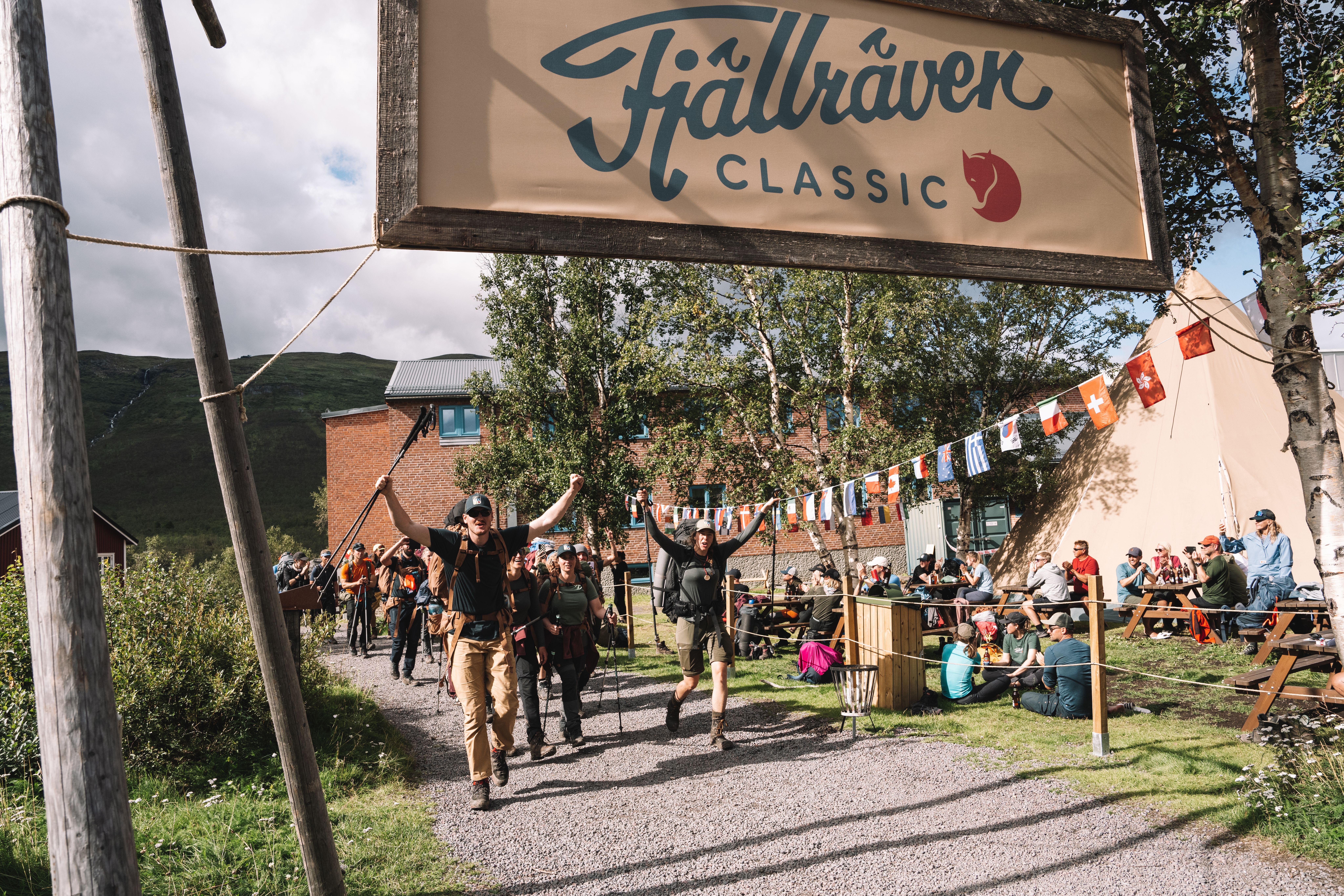
The Swedish mountain village of Nikkaluokta fills with trekkers. The starting flag for Fjällräven Classic flaps in the wind as participants adjust their clothing and compare the weight of their backpacks. Volunteers stamp trekking passports and cheer on the participants. Happy smiles are mixed with determined and nervous expressions as the trekkers gaze up at Kebnekaise mountain. Most of the people who will trek the 110-kilometre route between Nikkaluokta and Abisko are visitors to this part of Sweden; roughly 35% are Swedish, with the rest from 48 different nations. The start times are spread out over three days and participants have up to seven days to complete the entire route.
‘In the early 2000s, the popularity of trekking in the mountains with a tent was on the decline,’ says Global Events Manager Carl Hård af Segerstad, as he gazes across to the trekkers who are about to head off. When Fjällräven looked into the reasons for this, it discovered that people simply did not know how to deal with a tent, food, and gas when out in nature. Basically, there was a huge lack of knowledge. The company decided to launch a trekking event that could serve as a learning tool. The idea was for people to experience the wilderness naturally but still be able to complete a long, challenging trek that requires them to be self-sufficient. Times have changed since then, and interest in mountain trekking has grown tremendously. Today, the trek continues to take place on the same popular trail because it is already well used, which reduces the impact on surrounding nature. Also, many people who participate in Fjällräven Classic Sweden return to the area at other times of the year, or trek other nearby routes that are less popular.
From the first-ever Fjällräven Classic Sweden, the idea was to bring the event to other countries. Not everyone can travel to Sweden for a trek. Today, Fjällräven Classic is now also held in Denmark, Germany, Korea, the United States, England, and Chile. All the treks are organised differently and adapted to each respective country’s conditions in terms of access to trails and tent sites as well as permits and regulations.
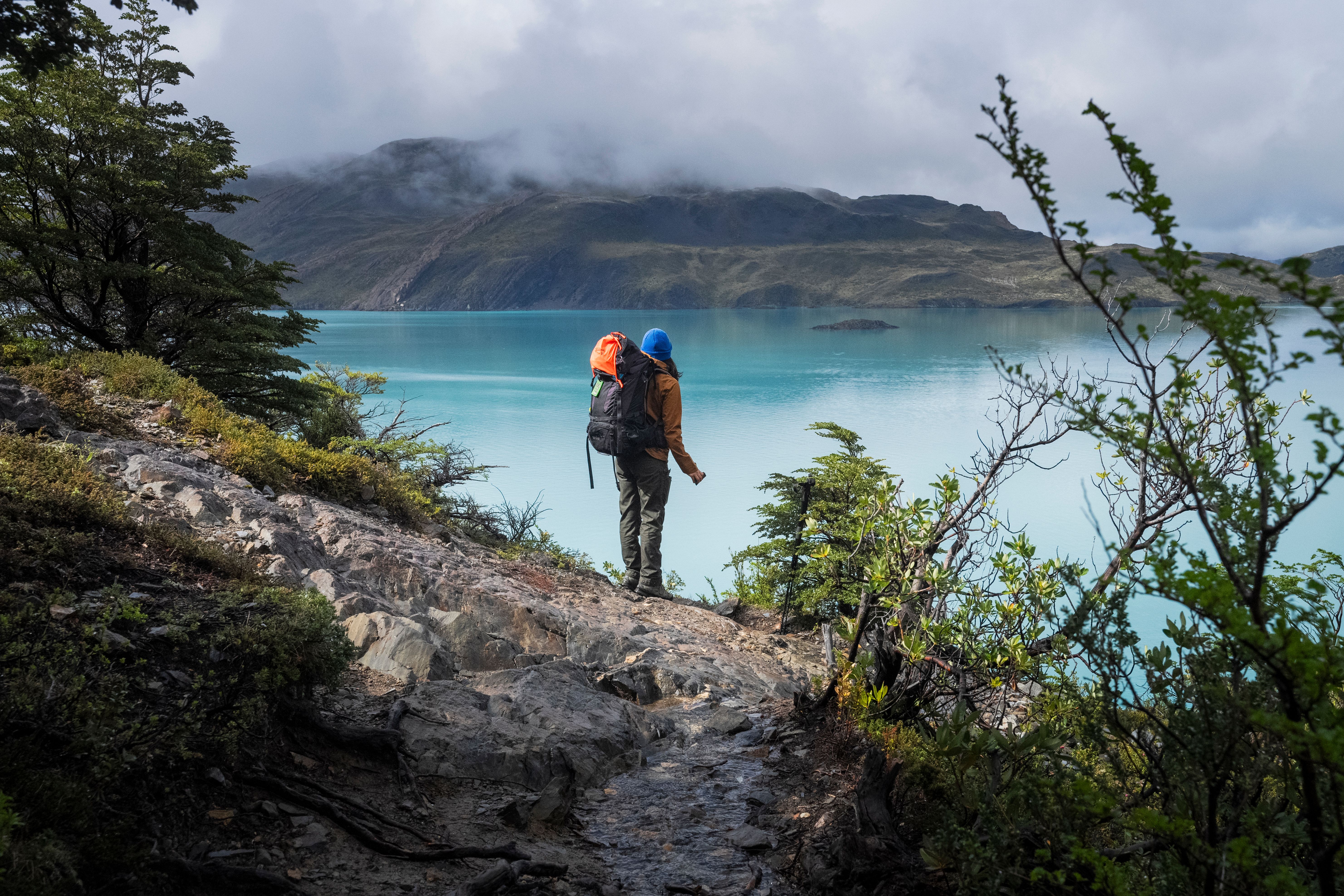
‘We will be holding Chile’s first ever event this autumn 2024,’ explains Carl. ‘We’ll be hiking on trails in the southernmost parts of Patagonia which are usually only accessible to the gauchos who work in the region. It’s going to be exciting.’
Fjällräven Classic is a chance for trekkers of all levels, from beginners on up, to learn how to handle multi-day treks. In the lead up to the event, local Fjällräven Campfire Events offer opportunities for people to learn about multi-day trekking. Upon check-in to a Fjällräven Classic, participants can take courses about putting up and take down a tent and how to deal with gas camp stoves. They also receive information about going to the toilet in nature and how to deal with waste (whether it is theirs or other’s). Though they’re encouraged to bring as much of their favourite freeze-dried foods with them from day one of the trek, the event also provides a basic service with checkpoints along the trail where trekkers can top up their supplies. This balance enhances the support the event provides to new trekkers, while also preserving the feeling of self-sufficiency.
It also reduces the helicopter transport of supplies. As Fjällräven Classic grows in popularity, so to does its impact on the local environment. ‘We’re extremely careful to ensure that we leave the trails in better shape than they were before the event,’ says Sofie Jugård Löfgren at Aktivut who has been product manager for Fjällräven Classic Sweden for all 20 years the event has been held. As such, Fjällräven Classic Sweden is a Greentime Certified Sustainable Event, and it is implementing initiatives to ease the pressure on the trail 30 percent by 2025.
Most people take five days to trek Fjällräven Classic Sweden, which provides plenty of time to absorb and appreciate the wild and rugged setting. On the first evening, the sky glows pink as the sun sets behind the Kebnekaise massif. Tents can be seen scattered across the mountainside under the colourful sky. The atmosphere is upbeat, with a sense of anticipation in the air. A dull murmur interspersed by laughter here and there can be heard from within the tents. Day two starts with a slight uphill climb between steep rock walls and continues down towards the Singi cottages. From here the trekkers follow the Kungsleden north via the Tjäktjavagge valley. Many of the trekkers spend the night next to the Sälka cottages. On day three, the trekkers reach the highest point, the Tjäkta Pass. Down towards Alisvàggi valley, trekkers can use wooden walkways set above the rocky terrain which gives them welcome relief for their tired feet. As they approach the Alesjaure cottages, the mountainous landscape gives way to more lush greenery interspersed with sparkling brooks and streams. The fourth day takes trekkers around Alisjàvri lake and offers sites ideal for coffee stops with views of both the Abisko mountain and Kåtotjåkka. On the final day, the trail weaves through stands of mountain birch trees in the species-rich Abisko National Park.
‘What drives people to trek in this event is a sense of the togetherness it engenders as well as a desire to meet new people and make new friends. It’s a chance to experience nature with a mix of social interaction while enjoying the sense of being on an expedition with services provided along the route that offer security,’ says Carl.
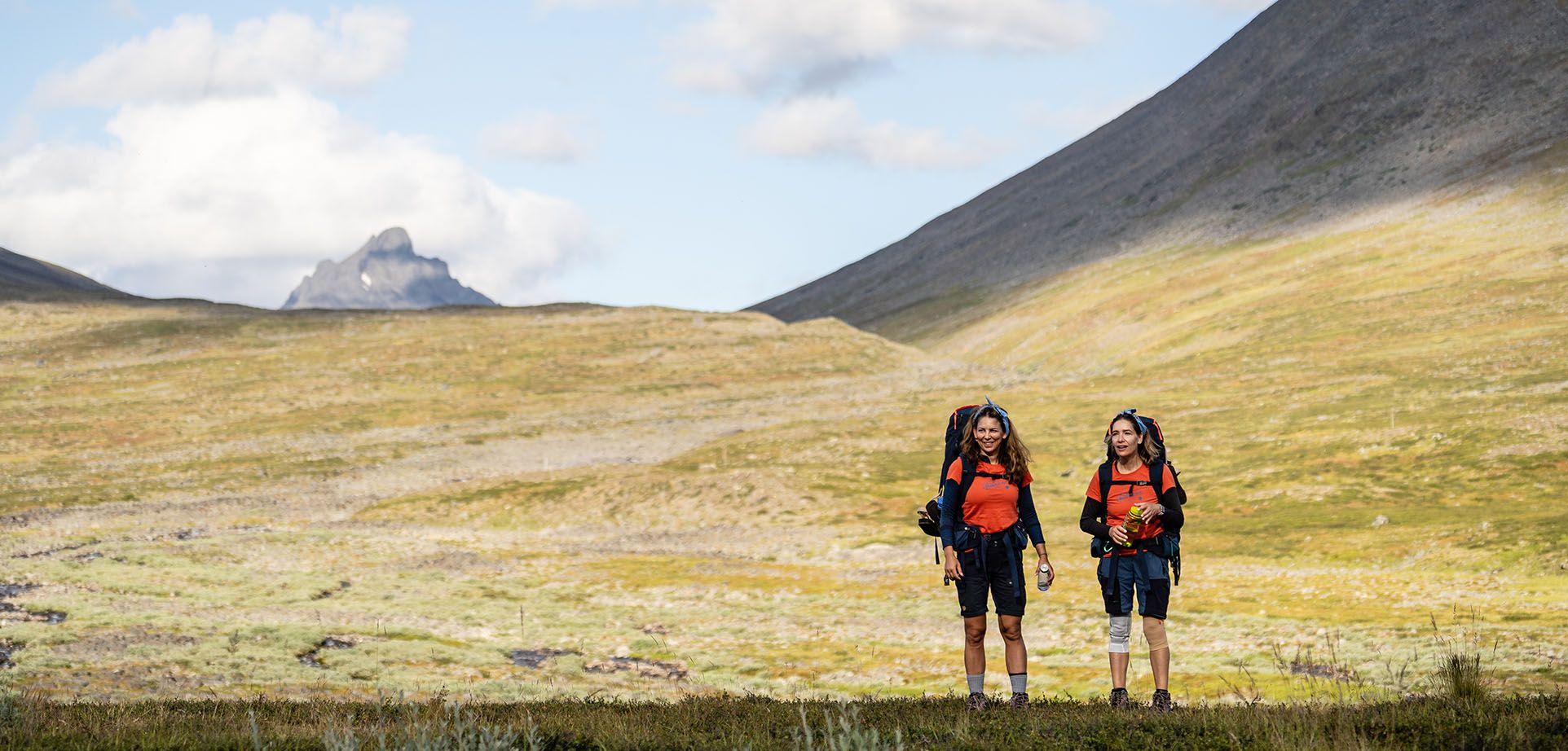
In 2021, Karolina Symington and Linda Persson from Stockholm completed Fjällräven Classic Sweden. Before they set out, they knew nothing about multi-day trekking in the mountains. Karolina found out about Fjällräven Classic while surfing the web one night and decided that it would be the ideal challenge, both physically and mentally, for a novice like her. Once the women had their starting spots confirmed, they continued their web search. They looked up portable camping stoves, and then meticulously researched boots, socks, tents, sleeping bags, food, clothes, and anything else they might need. Their main worry was what to pack while keeping things light because the weather can change frequently. Karolina says that her relationship with nature deepened afterwards. Linda echoes her thoughts:
‘This was a totally different experience to running or long-distance skiing,’ she says. ‘Trekking 110 kilometres takes a long time. It gives you time to think and reflect in an entirely different way. You also become aware of your body and how amazing it is to be able to use it in this way. And also, that you only need to bring what you can carry on your back. Add to this the incredible beauty of nature (and a close friend to share it with who also hadn’t experienced anything like this before either and it became an unforgettable adventure.’
The sense of joy after crossing the finish line in Abisko is unmistakable, there are tears of joy as trekkers hug each other. Musicians are on hand to provide a festive atmosphere in the festival tent while trekkers have their boots greased and waste bags are weighed to determine who has the heaviest. Meanwhile non-dry food is served at an outdoor dining area. A luxury after days of freeze-dried food.
‘Fjällräven was founded based on the aim of inspiring people to get out into nature,’ concludes CEO Martin Axelhead while untying his boots after completing yet another Fjällräven Classic. ‘That is still the mantra we follow. We want to create an arena to challenge people while making it easier for them to dare to take that first step.’
(This article was originally published in Fjälljournal Number 16, Summer 2024)
Posted In
Share


Fjällräven Classic
Reading Time 7 Minutes
Knowing little about multi-day trekking did not stop these friends from signing
up to the Fjällräven Classic.
Read More
Adventures
Reading Time 5 Minutes
When you have a good and true friend, you can pick up the relationship no matter where in life (or, the world) you are. Follow outdoor expert Sofia Johansson as she treks The King’s Trail with her long-time friend Jenny Pettersson. Along the way, they gain an even deeper appreciation for nature, and their friendship.
Read More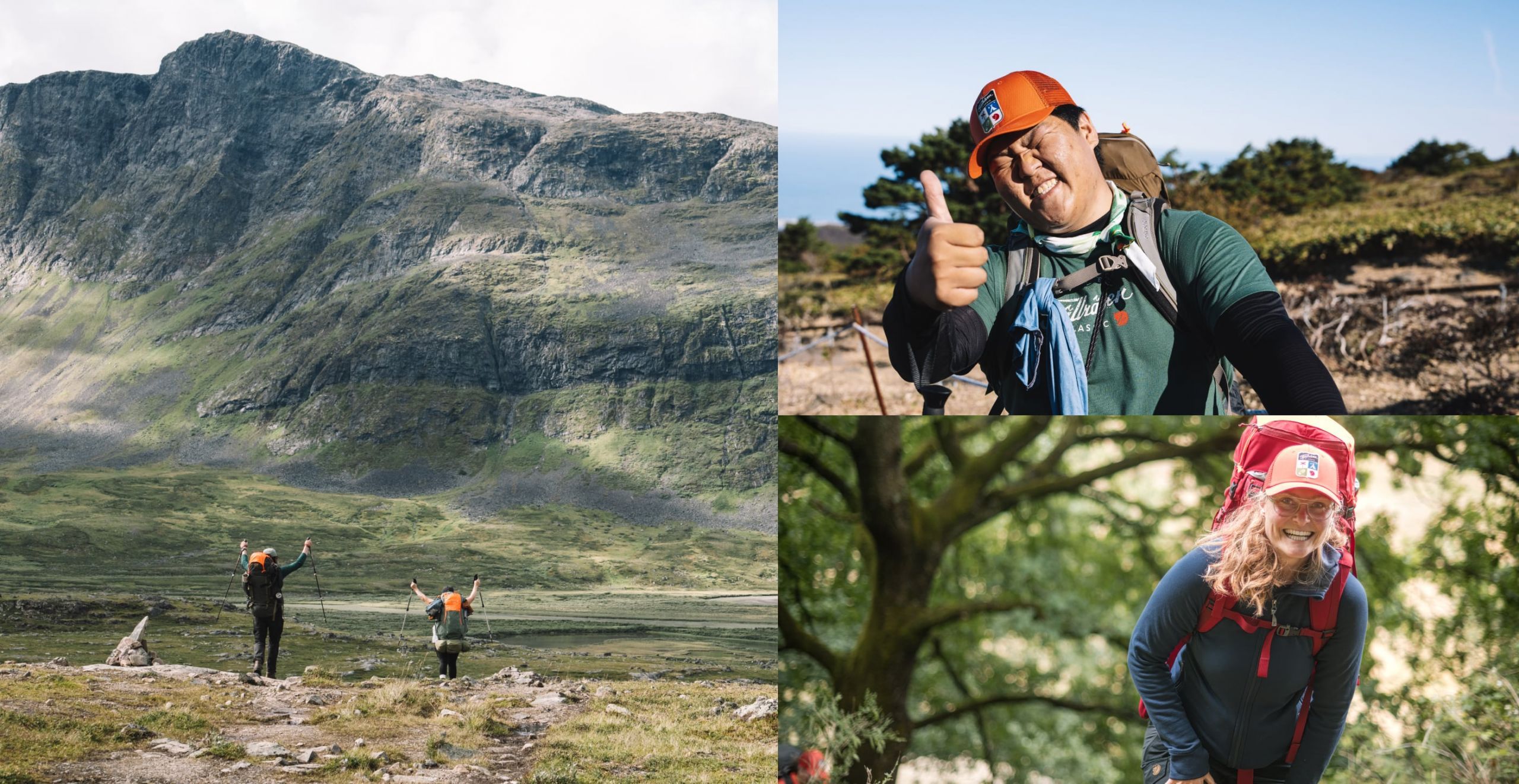
Fjällräven Classic
Reading Time 6 Minutes
What is Fjällräven Classic? In simple terms, it’s a multi-day trek. You carry all you need and Fjällräven takes care of the logistics…and a few other little extras. Find out if the popular trekking series is for you.
Read More