


Sustainability
Reading Time 4 Minutes
Managing microfibre shedding
Microfibres are small. Really small. Like, less than ten micrometres in diameter, small, and their omnipresence has a really big impact in our aquatic and atmospheric environments. Felix Aejmelaeus-Lindström, Sustainable Material & Chemical Specialist for Fenix Outdoor CSR, explains:
“These small particles end up in our water, eventually making their way into animals and then our food. They are pollutants that are hard to clean up due to their size, and they do not break down in the environment. For all these reasons, we should be concerned about microfibre shedding, try to understand where they come from, and figure out how to prevent them from entering the environment.”
Microfibres end up in the environment because of shedding. This occurs when textile materials shed small micro-fragments, or fibres. This can happen during production, use and in the wash. As the world produced, used and washed more products, the amount of microfibres shedding into the environment increased and was eventually flagged by researchers and the textile industry as a significant risk to the health of the world.
Though the microfibre shedding problem is clearer than it was, researchers are still working to figure out what share of microfibre shedding can be attributed to the textile industry.
According to Felix, what we do know for sure is that, “All materials, natural as well as synthetics, shed microfibres during their use. We need to understand what type of materials shed more than others. And what can be done to prevent it.”
We also know for sure that getting to the bottom of the problem – and solving it – requires global commitment.
A global effort.
After identifying microfibre shedding as a problem we were contributing to, and needed to help solve, Fjällräven joined The Microfiber Consortium in 2021. Founded by the European Outdoor Group (EOG), it set up the 2030 Microfibre Commitment, which we signed. In doing so, we committed Fjällräven to tackling the problem by working proactively with other companies, in the textile industry and beyond. As Felix says, “Fjällräven provides both financial support to the consortium’s work and research, as well as knowledge about our materials, data from our own testing, and our specialised understanding of the problem”.
Together with these other companies, we share, combine, and build on each other’s achievements:
“We got involved with The Microfibre Consortium from the very start, because we quickly realised that the topic of microfibres is something that affects the entire industry. With the level of uncertainty and lack of clear research, we needed to join forces with others if we were to ever build knowledge and find real solutions.”
Testing the test.
The teamwork proved effective. One of the biggest challenges the industry faced studying microfibre shedding was a lack of standardised testing. Without a common standard it was not possible to accurately assess the materials we currently use. We also could not set requirements for the types of materials we would want to use in the future. The good news now is the consortium has established a standardised test for microfibre shedding.
‘We can test new materials before we start using them and can collect enough data to compare different materials and determine which shed less (and more),’ says Felix.
According to Felix, Fjällräven has been applying this standardised testing to all new synthetic materials, and retroactively tested existing materials to assess their performance.‘With our data sets and knowledge more robust,’ says Felix,‘We can draw conclusions about the types of materials and constructions we should use to avoid microfibre shedding.’ We have been pleased to learn that our materials are shedding far below the average results in the consortium’s database.
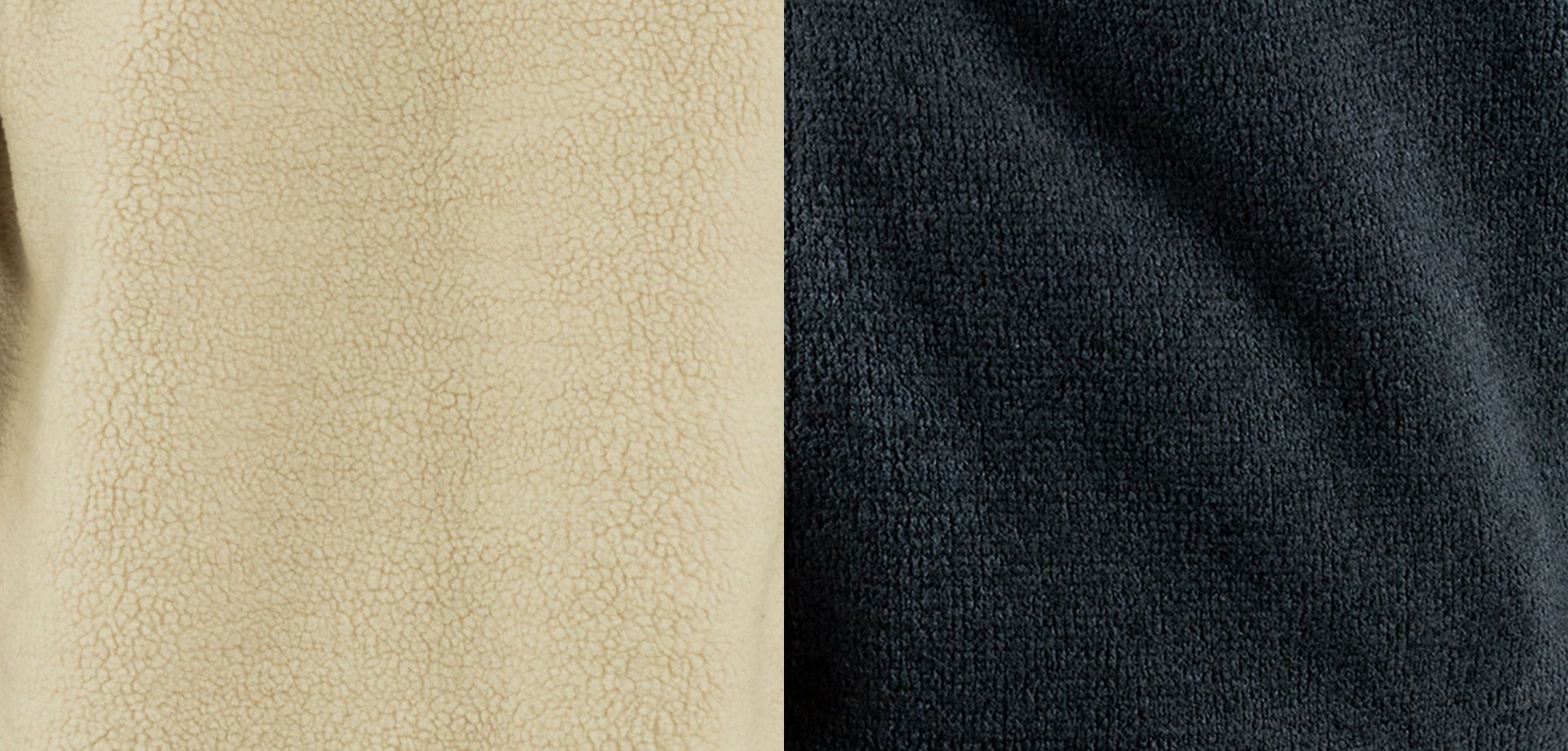
One type of material we paid extra attention to was the fleece to be used in new products. Not because fleeces are worse shedders than other materials, but because they are part of a new generation of recycled synthetic materials we are interested in.
In short: before we selected a new fleece, we wanted answers!
“We tested all of them according to the industry standard test to determine which was the most desirable. Today, all new fleeces we use are tested to ensure they meet our shedding requirements.’
High function for low impact.
Though the onus is primarily on industries and leaders to manage the overall challenge of microfibre shedding, Felix says there are some practical things you can do to help from home. For instance, there are washing bags that capture microfibres, preventing them from entering the water stream. You just pop the clothes inside and run your preferred wash program as normal. He also recommends that you do not wash your garments more than needed.
Luckily, helping you invest in durable garments that are still usable after many wears is Fjällräven’s speciality. High function for low impact, when garments are repairable, timeless and made to last, they endure longer life cycles and reduce your overall environmental impact, period.
At Fjällräven sustainability isn’t treated as a separate project, it is at the core of everything we do. Follow the topic, here on the Foxtrail.
Posted In
Share


Read More
Our history
Reading Time 2 Minutes
In 1968 a 32-year-old Åke Nordin produced his first Fjällräven jacket. He called it the Greenland Jacket. It was made with his new G-1000 material ("G" standing for Greenland) that was waxed with his own wax, Greenland Wax. But to understand why Åke created this jacket and what the connection to Greenland was, we need to go back two years.
Read More
People
Reading Time 5 Minutes
In 2023, Björn Gillsäter, son of 'the Swedish David Attenborough', revisited his childhood expeditions to the Falkland Islands. All while wearing an updated version of his father’s favourite gear: the timeless and functional Fjällräven Greenland Jacket.
Read More