


Nature
Reading Time 2 Minutes
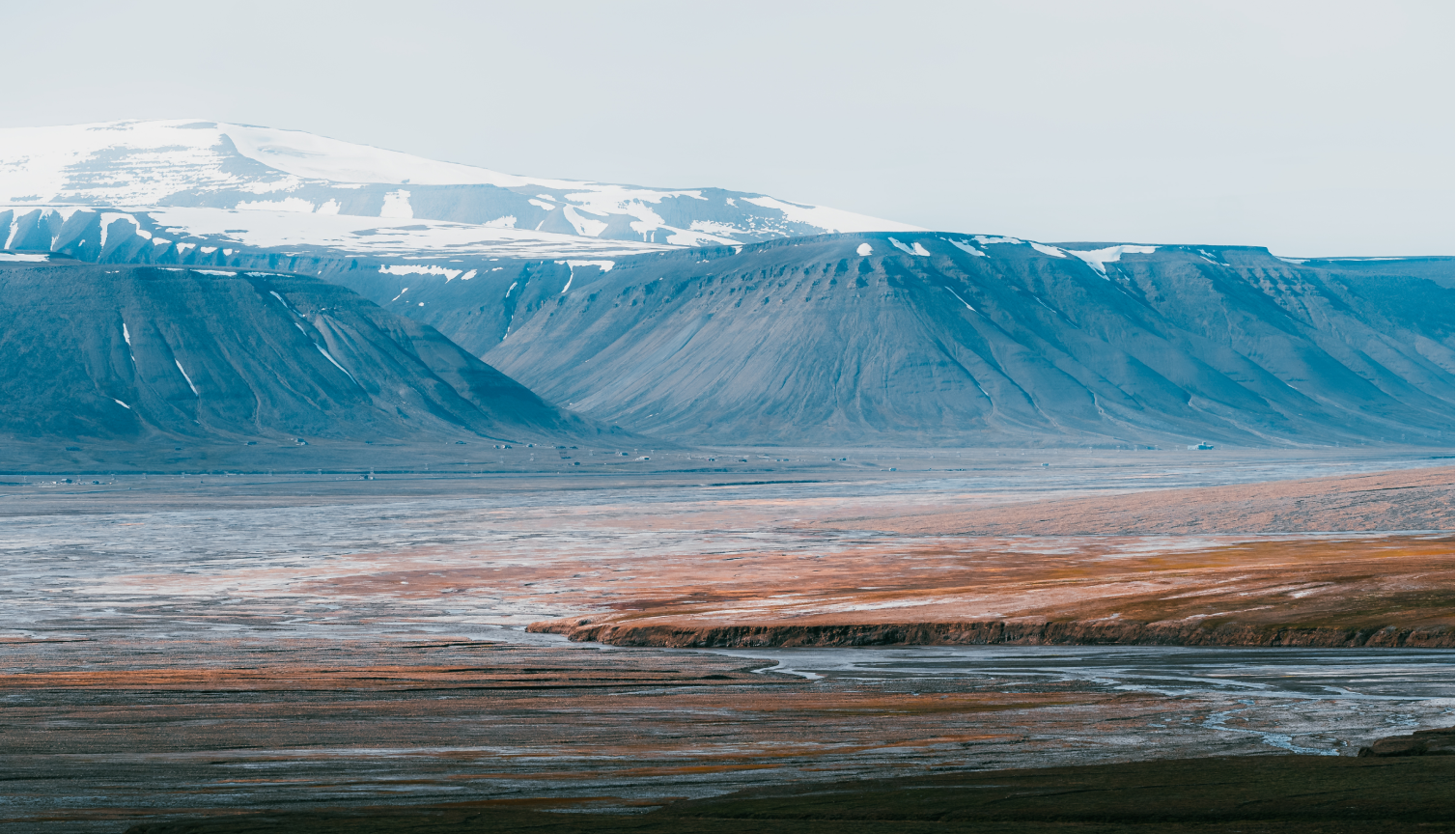
Since she was a child, M.Sc Student Anna Henriksson always knew nature would play a big part in her life. Fast-forward to present day, and she’s studying the arctic fox in Svalbard, Norway. Read on as she explains what it’s like to prepare for this much-anticipated fieldwork.
In mid-November 2023, as the polar night approached, the concept for my master's thesis project began to take form. My supervisors, Eva and Rebecca, had already been working on the topic since it was first discovered in the 2019/-2020 season. That is, fur lice on Arctic foxes. I was welcomed with open arms and a wave of enthusiastic support for contributing to the issue.
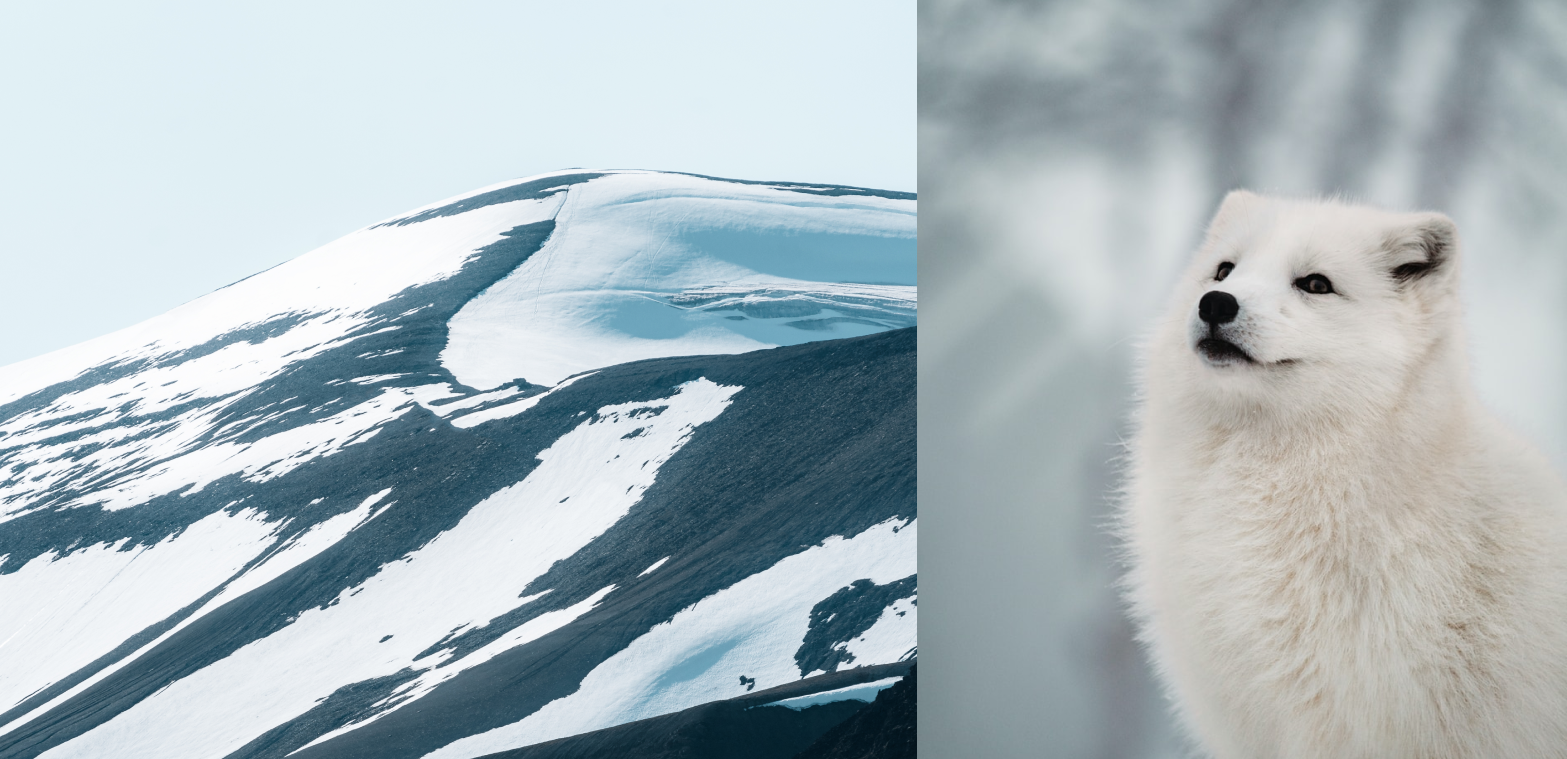
Arctic foxes have adapted in several ways to the cold and harsh environment in which they live. It’s fur however, which is their primary protection against the cold, allowing them to thrive in the north. In 2019, the first observation of a new species of fur lice was made, on arctic foxes. The lice were noted to cause abnormal patterns of fur loss across the neck and back region, areas where the fur normally is the thickest. The effects of a fur lice infestation on an Arctic fox’s general health and on its ability to stay warm in the arctic winter are not well known. With my project I aimed to help figure this out.
My mission would be focussed on finding out how much lice a fox may have, measuring the thermal properties of the fur and mapping the changes in fur quality, depth and colour caused by the lice. As well as using well-established research methods, I also had a pilot study planned. I would test the feasibility of using thermal cameras in natural settings to identify heat loss in wild, free- living Arctic foxes, potentially infested by lice. Starting at zero knowledge or experience in using such equipment in the field, I was filled with excitement but was also nervous., I knew the learning curve would be steep, but I also knew it would be fun!
Arctic foxes have adapted in several ways to the cold and harsh environment in which they live. It’s fur however, which is their primary protection against the cold, allowing them to thrive in the north. In 2019, the first observation of a new species of fur lice was made, on arctic foxes. The lice were noted to cause abnormal patterns of fur loss across the neck and back region, areas where the fur normally is the thickest. The effects of a fur lice infestation on an Arctic fox’s general health and on its ability to stay warm in the arctic winter are not well known. With my project I aimed to help figure this out.
My mission would be focussed on finding out how much lice a fox may have, measuring the thermal properties of the fur and mapping the changes in fur quality, depth and colour caused by the lice. As well as using well-established research methods, I also had a pilot study planned. I would test the feasibility of using thermal cameras in natural settings to identify heat loss in wild, free- living Arctic foxes, potentially infested by lice. Starting at zero knowledge or experience in using such equipment in the field, I was filled with excitement but was also nervous., I knew the learning curve would be steep, but I also knew it would be fun!
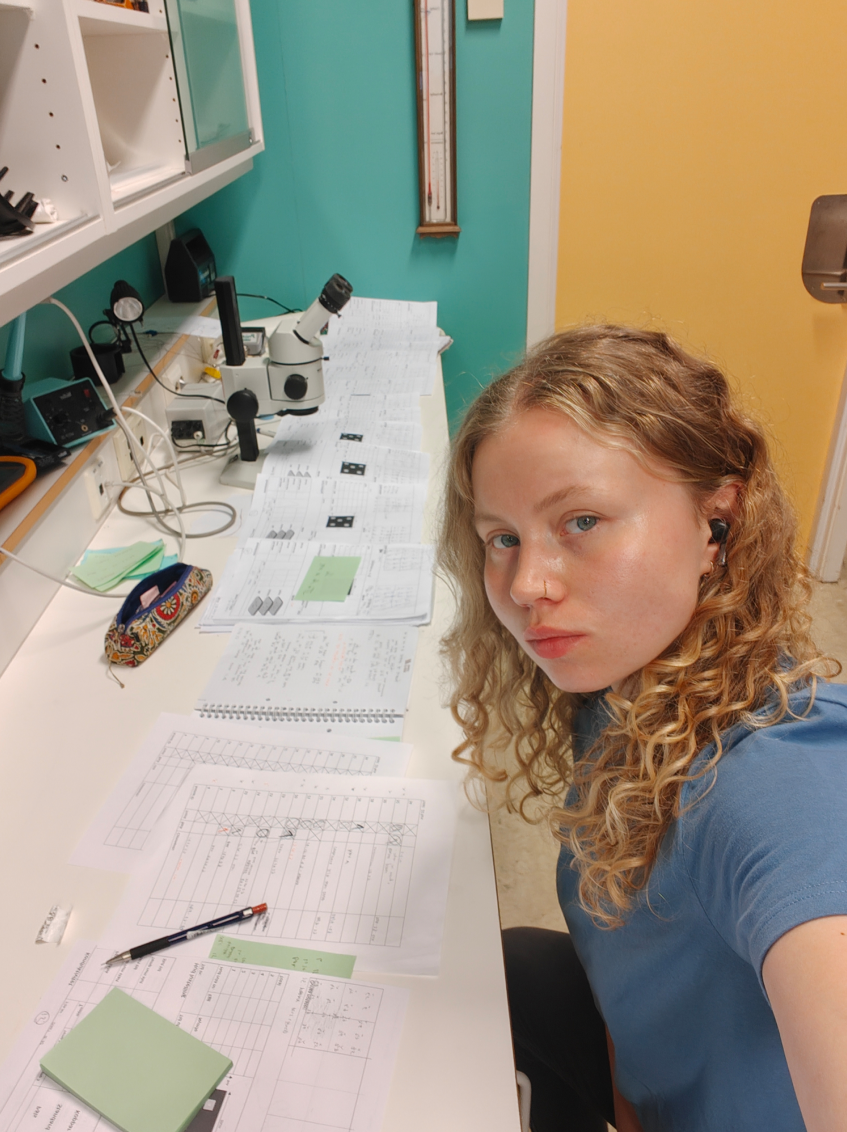
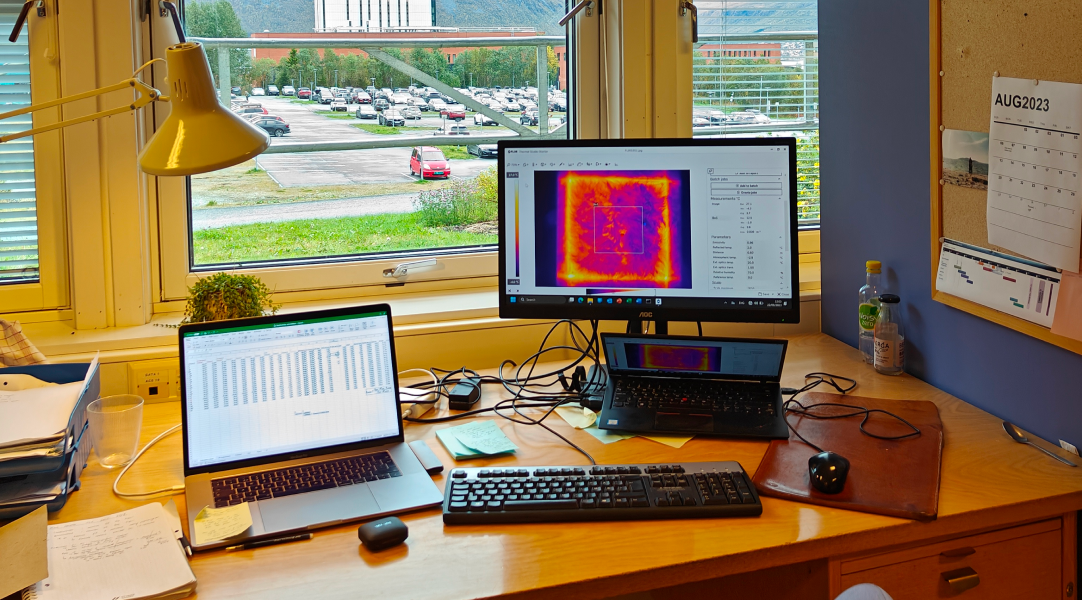
With just a few months to prepare, I spent spring gathering and organising the essentials for fieldwork in the high Arctic. Reading textbooks and scientific articles day and night, I aimed to build a strong foundation in the topics I would touch upon. I gathered cameras, field clothes, and equipment, all with crucial assistance from my supervisors and the university’s engineers. Making it all possible was the funding I received from the Arctic Field grant by the Research Council of Norway.
During all this preparation I couldn’t help but be aware however, that for foxes suffering with the newly discovered fur-lice, this winter may be exceptionally hard. I worry for them. What will the consequences be?
During all this preparation I couldn’t help but be aware however, that for foxes suffering with the newly discovered fur-lice, this winter may be exceptionally hard. I worry for them. What will the consequences be?
Posted In
Tags
Share


Sustainability
Reading Time 4 Minutes
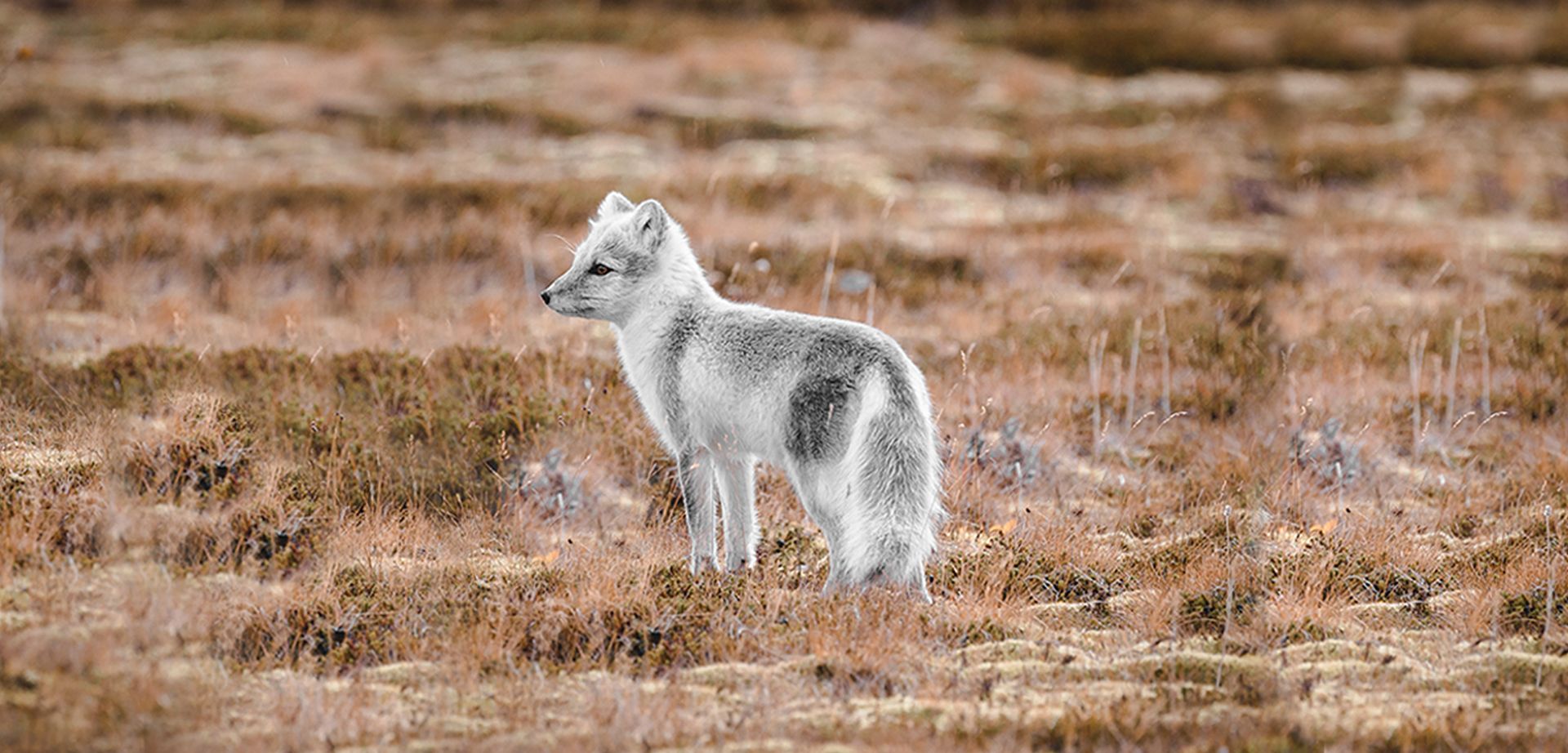
Hunted to near extinction, the arctic fox is making a comeback. But climate
change threatens to change that. Sponsored by the Arctic Fox Initiative, Ph.D.
student Vanessa Schreiber is researching the species’ survival strategies in
order to save it.
Read More